
Nur für die Forschung bestimmt
Cyclophosphamide Monohydrate Alkylating Agent
Kat.-Nr.: S2057
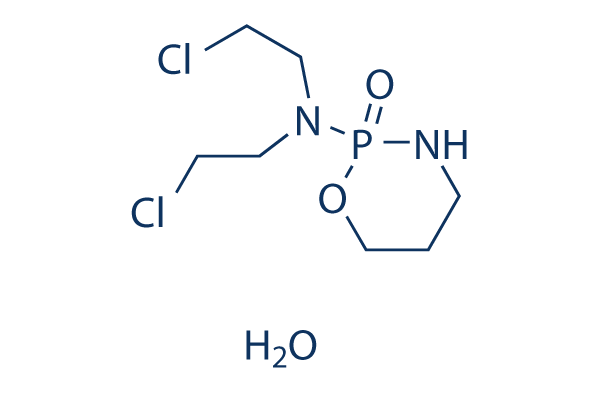
Chemische Struktur
Molekulargewicht: 279.1
Springen zu
Qualitätskontrolle (Quality Control)
Charge:
Reinheit:
99.20%
99.20
| Verwandte Targets | HDAC PARP ATM/ATR DNA-PK WRN DNA/RNA Synthesis Topoisomerase PPAR Sirtuin Casein Kinase |
|---|---|
| Andere Alkylating Agent Inhibitors | Berberine (Umbellatine) MNNG (1-Methyl-3-nitro-1-nitrosoguanidine) |
Zellkultur, Behandlung & Arbeitskonzentration
(Cell Culture, Treatment & Working Concentration)
| Zelllinien | Assay-Typ | Konzentration | Inkubationszeit | Formulierung | Aktivitätsbeschreibung | PMID |
|---|---|---|---|---|---|---|
| HL60 cells | Cytotoxicity assay | Cytotoxicity against human HL60 cells by MTT assay, IC50=8.79 μM | 20850303 | |||
| BALB/c 3T3 cells | Cytotoxicity assay | In vitro cytotoxicity was evaluated in mouse embryo BALB/c 3T3 cells, IC50=37.6 μM | 9873412 | |||
| BALB/c 3T3 | Cytotoxicity assay | In vitro cytotoxicity against BALB/c 3T3 cells, IC50 = 37.6 μM. | 7877150 | |||
| T-cells | Immunosuppressive assay | 100 mg/kg | 8 days | Immunosuppressive activity against MAV-1 infected BALB/c mouse assessed as T cells suppression at 100 mg/kg, ip treated 8 days before infection for 4 weeks measured 14 days post infection by flow cytometry | 18268085 | |
| B-cells | Immunosuppressive assay | 100 mg/kg | 8 days | Immunosuppressive activity against MAV-1 infected BALB/c mouse assessed as B cells suppression at 100 mg/kg, ip treated 8 days before infection for 4 weeks measured 14 days post infection by flow cytometry | 18268085 | |
| U87 MG | Antitumor assay | 80 mg/kg | Antitumor activity in human U87 MG cells xenografted mouse at 80 mg/kg, iv administered in Q2D x 5 schedule | 18450456 | ||
| MX1 | Antitumor assay | 120 mg/kg | up to 3 weeks | Antitumor activity against human MX1 cells xenografted in nude mouse adjuvant model assessed as increase in mouse survival time at 120 mg/kg, po BID measured up to 3 weeks | 20726512 | |
| U87MG | Anticancer assay | 80 mg/kg | 6 days | Anticancer activity against human U87MG cells xenografted in athymic mouse assessed as tumor suppression at 80 mg/kg, iv Q2D for 6 days | 21106377 | |
| NCI-H522 | Antitumor assay | 50 mg/kg | 28 days | Antitumor activity against human NCI-H522 cells xenografted in Balb/c nude mouse assessed as tumor growth inhibition at 50 mg/kg, ig administered once daily for 28 days relative to control | 28092860 | |
| U2932 | Antitumor assay | 50 mg/kg | 5 consecutive days | Antitumor activity against human U2932 cells xenografted in SCID mouse assessed as reduction in tumor burden at 50 mg/kg, ip administered for 5 consecutive days measured up to day 40 post cell injection | 28605593 | |
| MDA-MB-231 | Cytotoxicity assay | 48 hr | Cytotoxicity against Homo sapiens (human) MDA-MB-231 cells after 48 hr by MTT assay, IC50 = 0.09 μM. | ChEMBL | ||
| K562 | Cytotoxicity assay | 48 hr | Cytotoxicity against Homo sapiens (human) K562 cells after 48 hr by MTT assay, IC50 = 0.15 μM. | ChEMBL | ||
| K562 | Antiproliferative assay | 48 hr | Antiproliferative activity against Homo sapiens (human) K562 cells after 48 hr by MTT assay, IC50 = 0.153 μM. | ChEMBL | ||
| MCF7 | Cytotoxicity assay | 48 hr | Cytotoxicity against Homo sapiens (human) MCF7 cells after 48 hr by SRB assay, IC50 = 10 mM. | 19372630 | ||
| HepG2 | Cytotoxicity assay | 48 hr | Cytotoxicity against Homo sapiens (human) HepG2 cells after 48 hr by MTT assay, IC50 = 0.24 μM. | ChEMBL | ||
| Klicken Sie hier, um weitere experimentelle Zellliniendaten anzuzeigen | ||||||
Chemische Informationen, Lagerung & Stabilität (Chemical Information, Storage & Stability)
| Molekulargewicht | 279.1 | Formel | C7H15Cl2N2O2P.H2O |
Lagerung (Ab Erhaltdatum) | |
|---|---|---|---|---|---|
| CAS-Nr. | 6055-19-2 | SDF herunterladen | Lagerung von Stammlösungen |
|
|
| Synonyme | NSC-26271 Monohydrate | Smiles | C1CNP(=O)(OC1)N(CCCl)CCCl.O | ||
Löslichkeit (Solubility)
|
In vitro |
DMSO
: 55 mg/mL
(197.06 mM)
Water : 55 mg/mL Ethanol : 55 mg/mL |
Molaritätsrechner
Verdünnungsrechner
Molekulargewicht-Rechner
|
In vivo |
|||||
In-vivo-Formulierungsrechner (Klare Lösung)
Schritt 1: Geben Sie unten die Informationen ein (Empfohlen: Ein zusätzliches Tier einplanen, um Verluste während des Experiments auszugleichen)
mg/kg
g
μL
Schritt 2: Geben Sie die In-vivo-Formulierung ein (Dies ist nur der Rechner, nicht die Formulierung. Bitte kontaktieren Sie uns zuerst, wenn im Abschnitt Löslichkeit keine In-vivo-Formulierung angegeben ist.)
% DMSO
%
% Tween 80
% ddH2O
%DMSO
%
Berechnungsergebnisse:
Arbeitskonzentration: mg/ml;
Methode zur Herstellung der DMSO-Stammflüssigkeit: mg Wirkstoff voraufgelöst in μL DMSO ( Konzentration der Stammflüssigkeit mg/mL, Bitte kontaktieren Sie uns zuerst, wenn die Konzentration die DMSO-Löslichkeit der jeweiligen Wirkstoffcharge überschreitet. )
Methode zur Herstellung der In-vivo-Formulierung: Nehmen Sie μL DMSO Stammflüssigkeit, fügen Sie als Nächstes hinzuμL PEG300, mischen und aufklären, fügen Sie als Nächstes hinzuμL Tween 80, mischen und aufklären, fügen Sie als Nächstes hinzu μL ddH2O, mischen und aufklären.
Methode zur Herstellung der In-vivo-Formulierung: Nehmen Sie μL DMSO Stammflüssigkeit, fügen Sie als Nächstes hinzu μL Maisöl, mischen und aufklären.
Hinweis: 1. Bitte stellen Sie sicher, dass die Flüssigkeit klar ist, bevor Sie das nächste Lösungsmittel hinzufügen.
2. Achten Sie darauf, die Lösungsmittel in der richtigen Reihenfolge hinzuzufügen. Sie müssen sicherstellen, dass die im vorherigen Schritt erhaltene Lösung klar ist, bevor Sie das nächste Lösungsmittel hinzufügen. Physikalische Methoden wie Vortexen, Ultraschall oder ein warmes Wasserbad können zur Unterstützung des Lösungsvorgangs verwendet werden.
Wirkungsmechanismus (Mechanism of Action)
| In vitro |
Cyclophosphamide (CY) is a chemotherapeutic agent with a dose-dependent, bimodal effect on the immune system. Cyclophosphamide treatment enhances apoptosis and decreases homeostatic proliferation of regulatory T cells. Cyclophosphamide downregulates the expression of GITR and FoxP3, which are involved in the suppressive activity of T(REGs). Cyclophosphamide increases CYP3A4, CYP2C8, and CYP2C9 protein levels in primary human hepatocyte cultures, which thereby enhances their own rates of 4-hydroxylation in the cultured hepatocytes. Cyclophosphamide has produced mutations in base-pair substituting strains of Salmonella tryphimurium in the presence of metabolic activation, but it has been shown to be negative in the E. coli chromotest. Cyclophosphamide has been shown to produce gene mutations, chromosome aberrations, micronuclei and sister chromatid exchanges in a variety of cultured cells in the presence of metabolic activation as well as sister chromatid exchanges without metabolic activation. |
|---|---|
| In vivo |
Cyclophosphamide has also produced chromosome damage and micronuclei in rats, mice and Chinese hamsters, and gene mutations in the mouse spot test and in the transgenic lacZ construct of Muta Mouse. Cyclophosphamide, when given in a defined sequence with a GM-CSF-secreting, neu-expressing whole-cell vaccine, enhances the vaccine's potential to delay tumor growth in neu transgenic mice. Cyclophosphamide mediates its effects by enhancing the efficacy of the vaccine rather than via a direct cytolytic effect on cancer cells. |
Referenzen |
|
Anwendungen (Applications)
| Methoden | Biomarker | Bilder | PMID |
|---|---|---|---|
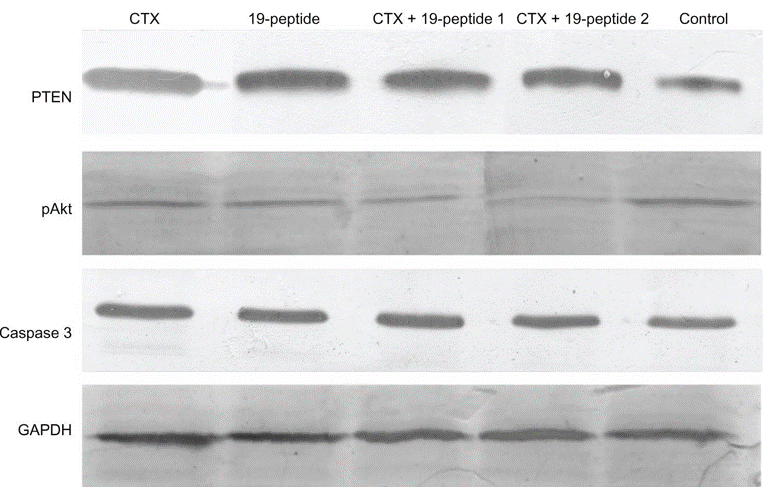
| Western blot | PTEN / pAkt / Caspase 3 / GAPDH Caspase 3 / Cleaved-Caspase 3 / Cleaved-PARP / Tubulin Nuclear AIF / Cytosolic AIF / TBP / GAPDH LC3B I / LC3B II / GAPDH |
|
23874108 |
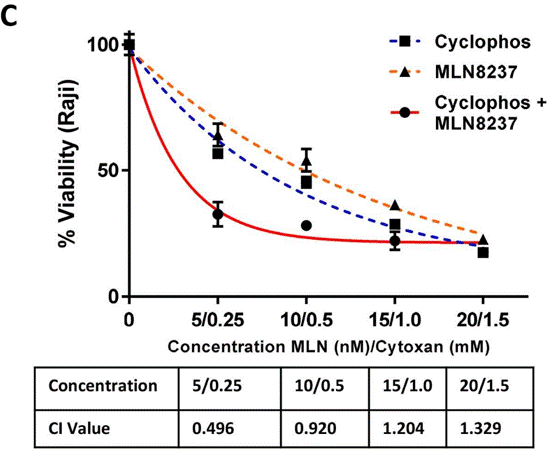
| Growth inhibition assay | Cell Viability Tumor Volume Tumor Volume |
|
31429028 |
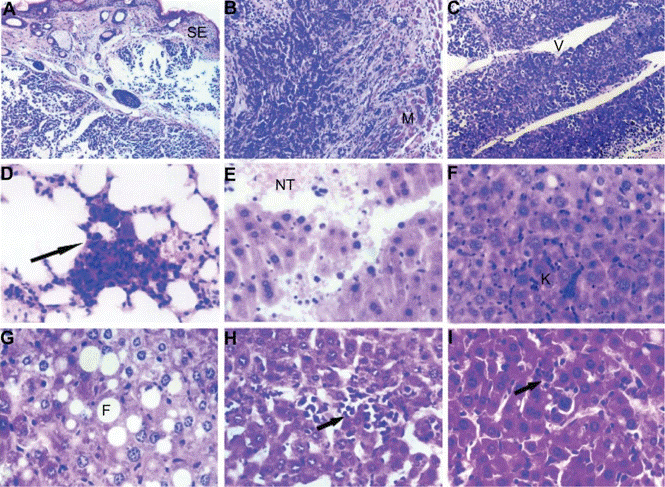
| IHC | tumor cell invasion TUNEL / Caspase 3 PTEN / pAkt / PCNA ovary of mice Caspase-3 |
|
23874108 |
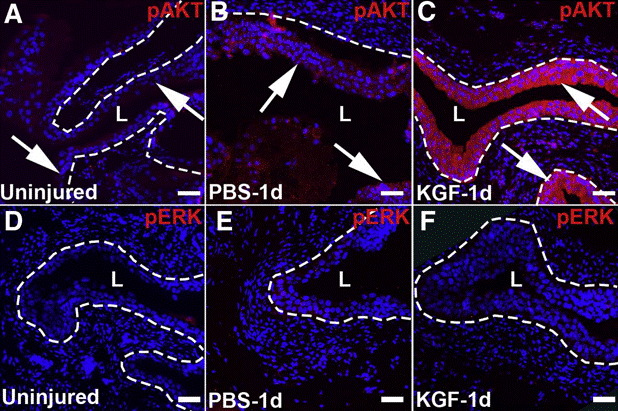
| Immunofluorescence | pAKT / pERK Ki-67 / UPK3 / KRT5 / pERK Ki-67 / KRT14 / KRT5 autophagy levels |
|
31654636 |
Informationen zu klinischen Studien (Clinical Trial Information)
(Daten von https://clinicaltrials.gov, aktualisiert am 2026-07-22)
| NCT-Nummer | Rekrutierung | Bedingungen | Sponsor/Kollaboratoren | Startdatum | Phases |
|---|---|---|---|---|---|
| NCT04877613 | ACTIVE_NOT_RECRUITING | Metastatic Medullary Thyroid Cancer; Recurrent Thyroid Gland Medullary Carcinoma |
University of Pennsylvania |
2021-08-19 | PHASE1 |
| NCT03935893 | ACTIVE_NOT_RECRUITING | Gastric Cancer; Colorectal Cancer; Pancreatic Cancer; Sarcoma; Mesothelioma; Neuroendocrine Tumors; Squamous Cell Cancer; Merkel Cell Carcinoma; Mismatch Repair Deficiency; Microsatellite Instability |
Udai Kammula |
2019-12-03 | PHASE2 |
| NCT07220187 | NOT_YET_RECRUITING | Richter Syndrome; Transformed Chronic Lymphocytic Leukemia to Diffuse Large B-Cell Lymphoma; Transformed Small Lymphocytic Lymphoma to Diffuse Large B-Cell Lymphoma |
SWOG Cancer Research Network |
2026-08-31 | PHASE3 |
| NCT05463133 | RECRUITING | Chronic Granulomatous Disease |
National Institute of Allergy and Infectious Diseases (NIAID) |
2022-07-08 | PHASE1; PHASE2 |
| NCT05508009 | RECRUITING | SIOD; Cystinosis; FSGS; SLE Nephritis; CKD Stage 4 |
Alice Bertaina |
2023-01-10 | PHASE1; PHASE2 |
| NCT06205290 | WITHDRAWN | Leukemia, Lymphocytic, Chronic, B-Cell |
Juno Therapeutics, Inc., a Bristol-Myers Squibb Company |
2024-01-16 | PHASE3 |
Häufig gestellte Fragen (FAQ) (Frequently Asked Questions)
Frage 1:
Why does it show no activity in vitro assays?
Antwort:
The activity of this compound in vitro is controversial and has not been fully determined. It is a prodrug and may need Cytochrome P450 to convert it to the active form: 4-hydroxy cyclophosphamide. It is widely used in vivo, if you are going to use it in vitro, you may need to supplement Cytochrome P450 exogenously.

Die Produkte sind nur für Forschungszwecke bestimmt. Nicht zur Anwendung am Menschen. Kein Verkauf an Patienten.
©Copyright 2013 Selleck Chemicals. Alle Rechte vorbehalten.